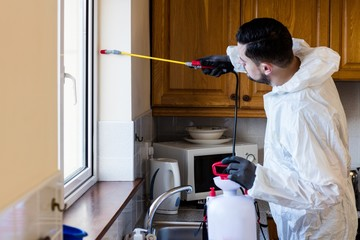
Few things are more frustrating than discovering unwanted pests inside your home. Whether it is ants marching across the kitchen counter, rodents hiding in the attic, or cockroaches appearing in dark corners, pests can quickly turn a comfortable living space into a source of stress. Many homeowners do not notice a pest problem until it becomes severe, which often leads to costly repairs and health concerns.
The good news is that home Pest Control Vero Beach provides an effective way to prevent infestations, protect property, and maintain a healthier indoor environment. Understanding how home pest control works can help homeowners take proactive steps to keep their living spaces safe and pest free throughout the year.
Understanding Home Pest Control
Home pest control refers to the process of preventing, managing, and eliminating unwanted insects, rodents, and other pests from residential properties. The goal is not only to remove existing infestations but also to create conditions that discourage pests from returning in the future.
Pests are constantly searching for food, water, and shelter. Homes provide all three of these necessities, making them attractive environments for a wide variety of insects and animals. Without proper prevention and maintenance, pests can quickly establish themselves and multiply.
Modern home pest control focuses on long term solutions rather than simply treating visible pests. Effective pest management includes inspections, sanitation, exclusion methods, monitoring, and targeted treatments designed to address the source of the problem. By taking a comprehensive approach, homeowners can significantly reduce the risk of recurring infestations.
Common Household Pests and Their Risks
Many different pests can invade residential properties, and each presents unique challenges. Ants are among the most common household pests because they can easily enter through small openings in search of food and water. While some species are primarily a nuisance, others may cause structural damage or contaminate food supplies.
Cockroaches are another frequent concern in homes. These pests thrive in warm and humid environments and can spread bacteria throughout kitchens, bathrooms, and storage areas. Their presence may also contribute to allergies and respiratory issues in sensitive individuals.
Rodents such as mice and rats pose significant risks because they chew through insulation, wiring, and building materials. Damaged electrical wiring can increase the risk of fires, while rodent droppings may introduce harmful pathogens into the home.
Termites are especially destructive because they feed on wood and other cellulose materials. Many homeowners do not realize they have a termite problem until extensive structural damage has already occurred. Other common pests include spiders, bed bugs, fleas, mosquitoes, and pantry pests, all of which can affect comfort, cleanliness, and safety.
Why Pest Prevention Is More Effective Than Pest Removal
One of the most important principles of home pest control is prevention. Eliminating an active infestation can be challenging and expensive, while preventive measures are often simpler and more affordable.
Preventive pest control focuses on reducing the factors that attract pests in the first place. This includes eliminating food sources, controlling moisture, sealing entry points, and maintaining a clean environment. When pests cannot find what they need to survive, they are far less likely to establish themselves inside the home.
Regular inspections also play a key role in prevention. Early detection allows homeowners to identify warning signs before infestations become severe. Small pest problems are generally much easier to manage than large infestations that have had time to spread throughout the property.
A preventive approach not only reduces pest activity but also helps protect the long term condition of the home and minimizes the need for extensive treatments later.
How Home Pest Control Inspections Work
Inspections are one of the most important parts of an effective pest control program. During an inspection, professionals carefully examine the property for signs of pest activity, potential entry points, and environmental conditions that may attract pests.
Exterior inspections often focus on the foundation, roofline, windows, doors, and landscaping. Cracks, gaps, and damaged seals can provide easy access for insects and rodents. Overgrown vegetation near the home may also create shelter and pathways for pests.
Interior inspections typically include kitchens, bathrooms, basements, attics, crawl spaces, and utility rooms. These areas are examined for droppings, nests, moisture issues, damaged materials, and other indicators of pest activity.
A thorough inspection helps identify not only the pests present but also the underlying factors contributing to the problem. This information allows homeowners to implement targeted solutions that address the root cause rather than simply treating visible symptoms.
The Importance of Sanitation in Pest Control
Sanitation is one of the most effective and often overlooked aspects of home pest control. Pests are attracted to environments where food and water are readily available. Maintaining a clean home significantly reduces the likelihood of infestations.
Food should be stored in sealed containers whenever possible. Crumbs, spills, and pet food left out overnight can quickly attract ants, cockroaches, and rodents. Regular cleaning of countertops, floors, and appliances helps eliminate food sources that pests rely on.
Moisture control is equally important. Leaking pipes, standing water, and excessive humidity create ideal conditions for many pests. Repairing leaks and ensuring proper ventilation can help make the home less attractive to insects and rodents.
Trash should be removed regularly and stored in tightly sealed containers. Outdoor garbage areas should also be maintained to prevent pests from gathering near the home and eventually moving indoors.
Sealing Entry Points to Keep Pests Out
Even the cleanest home can experience pest problems if pests are able to enter easily. Many insects and rodents can fit through surprisingly small openings around doors, windows, utility lines, and foundation cracks.
One of the most effective pest control strategies is sealing these entry points. Weather stripping, caulking, and door sweeps help close gaps that pests use to gain access to the home. Repairing damaged screens and sealing utility penetrations further improves protection.
Rodents are particularly skilled at finding small openings. Mice can squeeze through holes much smaller than many homeowners expect. Regularly inspecting the exterior of the property helps identify vulnerable areas before they become major entry points.
Exclusion methods are valuable because they prevent pests from entering rather than relying solely on treatments after infestations occur.
Safe and Modern Pest Control Methods
Home pest control has evolved significantly over the years. Modern pest management focuses on targeted treatments and integrated strategies that minimize unnecessary chemical use while maximizing effectiveness.
Many pest control programs now use Integrated Pest Management principles. This approach combines inspection, monitoring, sanitation, exclusion, and carefully selected treatments to achieve long term control. Instead of relying entirely on pesticides, Integrated Pest Management addresses the environmental conditions that support pest activity.
Targeted treatments may include baits, traps, dust applications, and localized treatments designed specifically for the pest being managed. These methods often provide more effective results while reducing exposure to people and pets.
By focusing on prevention and precision, modern pest control solutions help homeowners maintain safer and healthier living environments.
Seasonal Pest Control Considerations
Pest activity often changes throughout the year, making seasonal maintenance an important part of home pest control. Different pests become more active during certain seasons depending on weather conditions and available food sources.
Spring and summer often bring increased activity from ants, mosquitoes, flies, and stinging insects. Warmer temperatures encourage breeding and expansion of pest populations. Homeowners may need to pay extra attention to outdoor sanitation and standing water during these months.
Fall is a common time for rodents and other pests to seek shelter indoors as temperatures begin to drop. Sealing entry points and conducting inspections before colder weather arrives can help prevent infestations.
Winter may not eliminate pests entirely. Many insects and rodents remain active indoors where temperatures are more favorable. Year round monitoring and maintenance provide the most effective long term protection against seasonal pest pressures.
Benefits of Professional Home Pest Control
While homeowners can perform many preventive measures themselves, professional pest control services offer additional expertise and resources. Professionals understand pest behavior, life cycles, and treatment methods that may not be obvious to the average homeowner.
Professional inspections often identify hidden infestations and structural vulnerabilities that might otherwise go unnoticed. Pest control specialists can also develop customized treatment plans based on the specific needs of the property.
Another advantage of professional services is ongoing monitoring. Regular visits help detect changes in pest activity and address new issues before they become major problems. This proactive approach often saves homeowners money by preventing extensive infestations and property damage.
Professional pest control provides peace of mind by ensuring that potential threats are managed consistently and effectively throughout the year.
Conclusion
Home pest control is an essential part of maintaining a clean, safe, and comfortable living environment. Pests can damage property, contaminate food, and create health concerns if left unchecked. By understanding how pests enter homes and what attracts them, homeowners can take proactive steps to reduce infestation risks.
Effective home pest control combines prevention, sanitation, inspections, moisture management, exclusion techniques, and targeted treatments. Rather than waiting for pests to become a serious problem, a preventive approach helps maintain long term protection and reduces the need for extensive corrective measures.
Whether addressing seasonal pest activity or implementing year round prevention strategies, investing in home pest control helps protect both the property and the people who live in it. With consistent maintenance and attention to detail, homeowners can enjoy a healthier and more pest free environment for years to come.