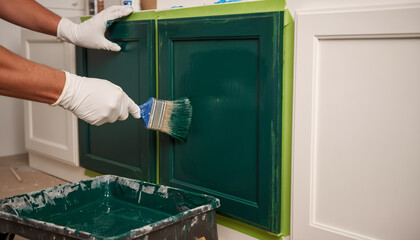
A kitchen can lose its charm over time, even when the cabinets remain sturdy and functional. Faded finishes, outdated colors, and years of daily wear can make an otherwise beautiful space feel old and uninspiring. Many homeowners assume that replacing cabinets is the only solution, but there is another option that can dramatically transform a room without the expense and disruption of a complete renovation. Cabinet painting has become one of the most popular home improvement projects because it offers an affordable way to refresh the appearance of cabinetry while extending its lifespan.
The process involves much more than simply applying paint to cabinet surfaces. Professional cabinet painting requires careful preparation, specialized products, and attention to detail to ensure a smooth and durable finish. Understanding how Cabinet Painting Sacramento works can help homeowners determine whether it is the right choice for their next remodeling project.
What Is Cabinet Painting?
Cabinet painting is the process of applying a new paint finish to existing cabinets in order to update their appearance and protect the surfaces from everyday wear. Rather than replacing cabinets entirely, painting focuses on transforming the exterior while preserving the original cabinet structure.
This process can be used in kitchens, bathrooms, laundry rooms, offices, and other spaces that feature cabinetry. Cabinet painting allows homeowners to change colors, modernize outdated designs, and create a fresh new look without altering the overall layout of the room.
Unlike traditional wall painting, cabinet painting requires a higher level of preparation and precision. Cabinets experience frequent contact, exposure to moisture, and daily use, making durability an important consideration. Proper techniques and materials are essential for achieving long lasting results.
Cabinet painting is often chosen by homeowners who are satisfied with the functionality of their cabinets but want to improve their appearance.
Why Homeowners Choose Cabinet Painting
One of the primary reasons homeowners choose cabinet painting is cost savings. Replacing cabinets can be one of the most expensive aspects of a remodeling project. Painting allows homeowners to achieve a dramatic visual transformation at a fraction of the cost.
Cabinet painting also requires less time than a full cabinet replacement project. Since the existing cabinet boxes remain in place, there is no need for demolition, disposal, or installation of new cabinetry.
Another advantage is design flexibility. Painting makes it possible to completely change the style of a room through color alone. Dark cabinets can be transformed into bright, modern focal points, while lighter cabinets can be updated with rich, sophisticated tones.
Many homeowners also appreciate the environmental benefits of cabinet painting. By reusing existing cabinets instead of replacing them, fewer materials end up in landfills and fewer resources are required for manufacturing new cabinetry.
These benefits make cabinet painting an attractive option for homeowners seeking an affordable and sustainable remodeling solution.
The Importance of Proper Preparation
Preparation is one of the most critical aspects of cabinet painting. A beautiful finish depends heavily on the work completed before any paint is applied.
The process typically begins by removing cabinet doors, drawer fronts, hardware, and accessories. This allows painters to access all surfaces more effectively and achieve a more professional result.
Cleaning follows next. Kitchen cabinets often accumulate grease, cooking residue, dirt, and oils over time. These contaminants can interfere with paint adhesion if not removed completely.
Once cleaned, the cabinet surfaces are inspected for damage. Scratches, dents, cracks, and other imperfections are repaired before painting begins. Addressing these issues early helps create a smoother final appearance.
Sanding is another essential step. Sanding helps remove gloss from existing finishes and creates a surface that allows primer and paint to bond properly. Even when cabinets appear clean and smooth, proper sanding significantly improves the durability of the finished product.
Skipping preparation may save time initially, but it often leads to peeling, chipping, and premature paint failure.
How Priming Works in Cabinet Painting
After preparation is complete, primer is typically applied before painting begins. Primer serves as an important foundation that improves adhesion and creates a uniform surface for paint.
Cabinets often contain materials that can cause stains, discoloration, or uneven absorption if paint is applied directly. Primer helps seal the surface and prevent these issues from affecting the final finish.
In some cases, cabinets may have existing stains, dark wood tones, or previous finishes that require specialized primers. The right primer ensures that the new paint color appears consistent and vibrant.
Primer also contributes to the overall durability of the paint system. It helps paint adhere more effectively and improves resistance to chipping, scratching, and wear.
Although primer adds an additional step to the process, it plays a major role in achieving professional quality results that last for years.
Choosing the Right Paint for Cabinets
Not all paints are suitable for cabinetry. Cabinets are exposed to conditions that differ significantly from those experienced by walls and ceilings. Frequent handling, moisture exposure, and cleaning require a more durable finish.
Cabinet paints are specifically formulated to withstand these demands. They provide stronger adhesion, improved hardness, and greater resistance to stains and scratches.
The choice of paint finish also affects both appearance and performance. Matte finishes offer a softer look but may be more challenging to clean. Satin and semi gloss finishes are commonly selected because they balance durability with visual appeal.
Color selection is another important consideration. Light colors can make a kitchen feel larger and brighter, while darker shades create depth and sophistication. Neutral tones often remain popular because they complement a wide range of design styles.
The right paint choice contributes significantly to the longevity and beauty of the finished cabinets.
The Cabinet Painting Process Step by Step
Once preparation and priming are complete, the painting process begins. Multiple coats are typically applied to achieve smooth coverage and consistent color.
The first coat establishes the foundation of the finish. After application, sufficient drying time is required before additional coats can be added. Rushing this stage can lead to imperfections and reduced durability.
A second coat is usually applied to improve color depth, coverage, and overall appearance. Depending on the desired finish and paint type, additional coats may be necessary.
Professional painters often use specialized equipment and techniques to create a factory like finish. Spray application is commonly used because it produces a smooth and uniform appearance with minimal brush marks.
After painting is complete, the cabinets must be allowed to dry thoroughly before reassembly. Hardware, doors, and drawer fronts are then reinstalled, completing the transformation.
Every stage of the process contributes to the final result, making attention to detail essential.
Drying and Curing After Cabinet Painting
Many homeowners assume that once paint feels dry to the touch, the project is finished. In reality, drying and curing are separate processes.
Drying occurs when the surface no longer feels wet. Depending on environmental conditions and paint products, this may happen within a few hours or days.
Curing refers to the process in which the paint reaches its full hardness and durability. During this period, the finish continues to strengthen and develop resistance to scratches, stains, and moisture.
The curing period can take several days or even weeks depending on the products used. During this time, homeowners should handle cabinets carefully to avoid damaging the new finish.
Understanding the curing process helps set realistic expectations and ensures the longevity of the painted cabinets.
How Long Does Cabinet Painting Last?
When performed properly, cabinet painting can provide years of beauty and durability. The lifespan of painted cabinets depends on several factors, including preparation quality, paint selection, application techniques, and maintenance habits.
Professional preparation and high quality materials typically result in finishes that withstand daily use effectively. Proper cleaning and care also contribute to long term performance.
Avoiding harsh cleaning products, excessive moisture exposure, and unnecessary impact helps preserve the finish. Minor touch ups can address occasional wear and extend the appearance of the cabinets even further.
Many homeowners find that professionally painted cabinets continue to look attractive for many years, making the investment worthwhile.
The durability of cabinet painting often surprises homeowners who initially viewed it as a temporary solution.
Cabinet Painting Versus Cabinet Replacement
Cabinet painting and cabinet replacement serve different purposes, and the best choice depends on the condition of the existing cabinets.
Painting is generally ideal when cabinets remain structurally sound but appear outdated or worn. It provides a significant visual upgrade without the expense of purchasing new cabinetry.
Replacement may be necessary when cabinets have extensive damage, poor functionality, or a layout that no longer meets the homeowner’s needs. New cabinets offer complete customization but require a much larger investment.
For many homeowners, cabinet painting delivers the perfect balance between affordability, efficiency, and visual impact. It allows them to achieve a fresh new look while preserving quality cabinetry.
Understanding the strengths of each option helps homeowners choose the solution that aligns with their goals and budget.
Final Thoughts
So, what is cabinet painting and how does it work? Cabinet painting is a detailed process that transforms existing cabinets through careful preparation, priming, painting, and finishing. Far more than a simple cosmetic update, it provides homeowners with an affordable and effective way to modernize kitchens, bathrooms, and other spaces without replacing cabinetry. When completed using proper techniques and high quality materials, cabinet painting can deliver long lasting beauty, improved durability, and significant value. For homeowners seeking a cost effective renovation solution, cabinet painting remains one of the most practical and rewarding ways to refresh the appearance of their home.