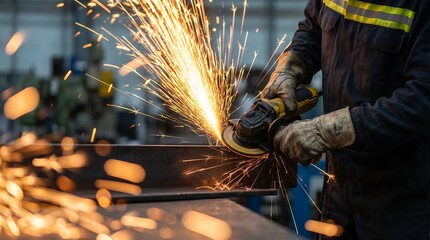
Have you ever stopped to think about how the metal products used every day come to life? From structural components in buildings to equipment parts, vehicles, and household fixtures, countless items begin as raw sheets, tubes, or bars of metal. The transformation of these materials into functional products is enabled by a process known as metal fabrication. This essential industry supports manufacturing, construction, transportation, agriculture, and many other sectors that rely on durable and precisely crafted metal components.
Boise Metal Fabrication is more than simply cutting and shaping metal. It combines skilled craftsmanship, advanced technology, and engineering expertise to create products that meet exact specifications. Understanding how metal fabrication works and why it matters can help businesses and consumers appreciate the value behind the metal products they use every day.
Understanding Metal Fabrication
Metal fabrication is the process of transforming raw metal materials into finished products, components, or structures. This process involves a variety of techniques that modify metal into desired shapes and sizes according to specific designs and requirements.
Fabrication typically begins with raw materials such as steel, aluminum, copper, stainless steel, or other metal alloys. These materials are then cut, bent, assembled, and finished to create the final product. Depending on the project, metal fabrication can produce anything from small machine parts to large structural frameworks.
The process often requires detailed planning and engineering to ensure the finished product performs as intended. Precision is critical because even small measurement errors can affect the quality, functionality, and safety of the final result.
Common Processes Used in Metal Fabrication
Metal fabrication consists of several specialized processes that work together to transform raw materials into finished products. Each process serves a unique purpose and contributes to the overall quality of the project.
Cutting is one of the most common fabrication methods. Metal can be cut using saws, lasers, plasma systems, water jets, or other specialized equipment. The goal is to achieve accurate dimensions while minimizing material waste.
Bending is another important process. Fabricators use specialized machinery to shape metal into angles, curves, and other configurations. Proper bending techniques ensure structural integrity while achieving the desired design.
Welding joins separate pieces of metal together. This process creates strong connections that can withstand significant stress and load requirements. Skilled welders play a crucial role in ensuring durability and performance.
Machining involves removing material to achieve precise dimensions and surface finishes. Drilling, milling, and turning are common machining operations used in fabrication projects.
Assembly combines fabricated components into a completed product. This stage may involve welding, fastening, or other joining methods to create a functional structure or system.
Finishing processes help improve appearance, durability, and resistance to corrosion. Surface treatments may include polishing, coating, painting, or protective applications that extend the life of the metal product.
Materials Commonly Used in Metal Fabrication
The choice of material significantly influences the fabrication process and the performance of the final product. Different metals offer unique advantages depending on the intended application.
Steel is one of the most widely used materials in fabrication because of its strength, durability, and versatility. It is commonly found in structural frameworks, industrial equipment, and heavy machinery.
Stainless steel is valued for its resistance to corrosion and attractive appearance. It is frequently used in food processing equipment, medical devices, and architectural applications.
Aluminum is lightweight yet strong, making it ideal for transportation, aerospace, and consumer products. Its natural resistance to rust adds to its popularity across various industries.
Copper is known for its excellent electrical conductivity and corrosion resistance. It is commonly used in electrical systems, plumbing components, and specialized industrial equipment.
Specialized alloys are often selected when projects require enhanced strength, heat resistance, or other performance characteristics. The material selection process plays a major role in determining the success and longevity of the finished product.
Industries That Depend on Metal Fabrication
Metal fabrication serves as a foundation for numerous industries. Without fabricated metal components, many modern systems and structures would not exist.
The construction industry relies heavily on fabricated steel and metal products for buildings, bridges, and infrastructure projects. Structural beams, support systems, railings, and custom architectural elements all require fabrication expertise.
Manufacturing operations depend on fabricated equipment, machinery parts, and production systems. Many manufacturing facilities use custom fabricated solutions designed specifically for their processes.
Transportation industries use fabricated metal components in vehicles, trailers, ships, rail systems, and aircraft. These parts must meet strict standards for safety, performance, and durability.
Agriculture benefits from fabricated machinery, equipment frames, storage systems, and processing equipment. Durable metal components help farmers and agricultural businesses maintain productivity.
Energy and utility sectors require fabricated products for power generation, distribution systems, and specialized equipment. Metal fabrication plays an important role in supporting critical infrastructure.
Healthcare, telecommunications, and technology industries also depend on fabricated metal components for equipment housings, support structures, and precision parts.
The Benefits of Professional Metal Fabrication
Professional metal fabrication offers numerous advantages that contribute to the success of projects across various industries. One of the most significant benefits is customization. Fabrication allows products to be designed and built according to specific requirements, ensuring a precise fit and optimal performance.
Quality control is another major advantage. Experienced fabricators follow detailed procedures and standards to maintain consistency throughout the production process. This attention to detail helps reduce defects and improve reliability.
Efficiency also plays a key role. Modern fabrication facilities use advanced equipment and technology to complete projects accurately and within established timelines. Improved efficiency often leads to cost savings and better resource utilization.
Durability is another important benefit. Properly fabricated metal products are designed to withstand demanding environments and heavy usage. This longevity reduces maintenance requirements and replacement costs over time.
Professional fabrication services can also improve safety. Components manufactured according to engineering specifications are better equipped to handle expected loads, stresses, and operating conditions.
Technology and Innovation in Modern Metal Fabrication
The metal fabrication industry has evolved significantly over the years due to advancements in technology. Modern fabrication facilities use sophisticated equipment and digital tools to enhance precision, productivity, and quality.
Computer aided design software allows engineers and fabricators to create detailed digital models before production begins. These models help identify potential issues early and improve project accuracy.
Automation has become increasingly common in fabrication operations. Automated cutting systems, robotic welding equipment, and computerized machinery help increase consistency while reducing production time.
Laser cutting technology provides exceptional precision and flexibility. Fabricators can create intricate designs and complex shapes that would have been difficult to achieve using traditional methods.
Advanced quality control systems also contribute to better outcomes. Digital measurement tools and inspection technologies help verify that fabricated components meet exact specifications.
As technology continues to evolve, metal fabrication is becoming more efficient, sustainable, and capable of producing increasingly complex products.
Why Metal Fabrication Remains Essential
Metal fabrication continues to be a vital part of modern industry because it transforms raw materials into practical solutions that support everyday life. Whether constructing buildings, manufacturing equipment, or producing transportation components, fabricated metal products provide the strength and reliability needed for countless applications.
The versatility of fabrication allows industries to adapt to changing demands and create customized solutions for unique challenges. As new technologies emerge and industries evolve, the need for expertly fabricated metal products remains strong.
The ability to combine engineering, craftsmanship, and advanced manufacturing techniques ensures that metal fabrication will continue to play an important role in economic growth and infrastructure development. Its contributions extend across nearly every sector, making it one of the most essential processes in modern manufacturing.
Final Thoughts
Metal fabrication is the foundation behind many of the products and structures that shape daily life. Through processes such as cutting, bending, welding, machining, and assembly, raw metal materials are transformed into functional and durable components used across countless industries. The combination of skilled workmanship, quality materials, and advanced technology allows fabrication professionals to create products that meet demanding performance standards. As industries continue to grow and innovate, metal fabrication will remain an indispensable part of building, manufacturing, and maintaining the world around us.